
3. Those who are artificially matured could make you sick.
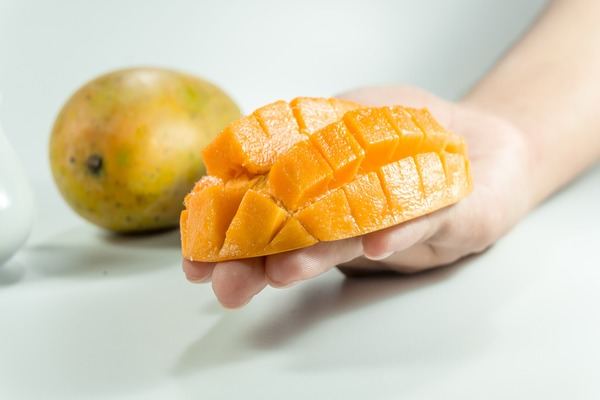
Some mangoes are forced to ripen early so they can get to market faster. The process involves a chemical called calcium carbide, which is known to be a carcinogen when used in large amounts. More commonly, exposure causes symptoms such as tingling, numbness, and peripheral neuropathy.
Artificially ripened mangoes will also not taste as good and will be less juicy. You can identify one by looking at the skin, which will still contain solid patches of green instead of having a uniform mixture of yellow and green.
It’s best to eat organic mangos, as they never ripen artificially and have no hazardous pesticide residues.
4. You Could Be at Risk for Salmonella

Eating a mango every day increases your risk of eating a contaminated one. Salmonella occurs frequently in mangoes because it mixes with the water used to wash the fruit during processing.
The Centers for Disease Control and Prevention estimates that salmonella is responsible for approximately 1.2 million cases of salmonellosis in the U.S. each year. About 23,000 hospitalizations and 450 deaths occur as a result.
Salmonella usually occurs in the processing phase of production, but research shows that whole mangos are just as at risk as cut mangos, even though they have had less processing.
A bacterium found in the wash water covers the skin of the mangoes and then enters the pulp. At that time, no amount of consumer washing can kill the bacteria.